Search engine optimization has undergone several transformations over the past two decades, but the rise of AI-powered search is creating one of the biggest shifts yet. In 2026, users are increasingly relying on AI search tools such as ChatGPT, Google AI Overviews, Gemini, and other conversational search platforms to find information, compare products, and make decisions.
Traditional SEO is no longer just about ranking on the first page of Google. Businesses now need to optimize their content so that AI systems can understand, trust, and recommend it directly within generated responses.
For brands looking to stay competitive, understanding how AI search is changing SEO has become essential.
The Evolution from Search Engines to Answer Engines
Traditional search engines provide users with a list of links. Users then browse those links to find the information they need.
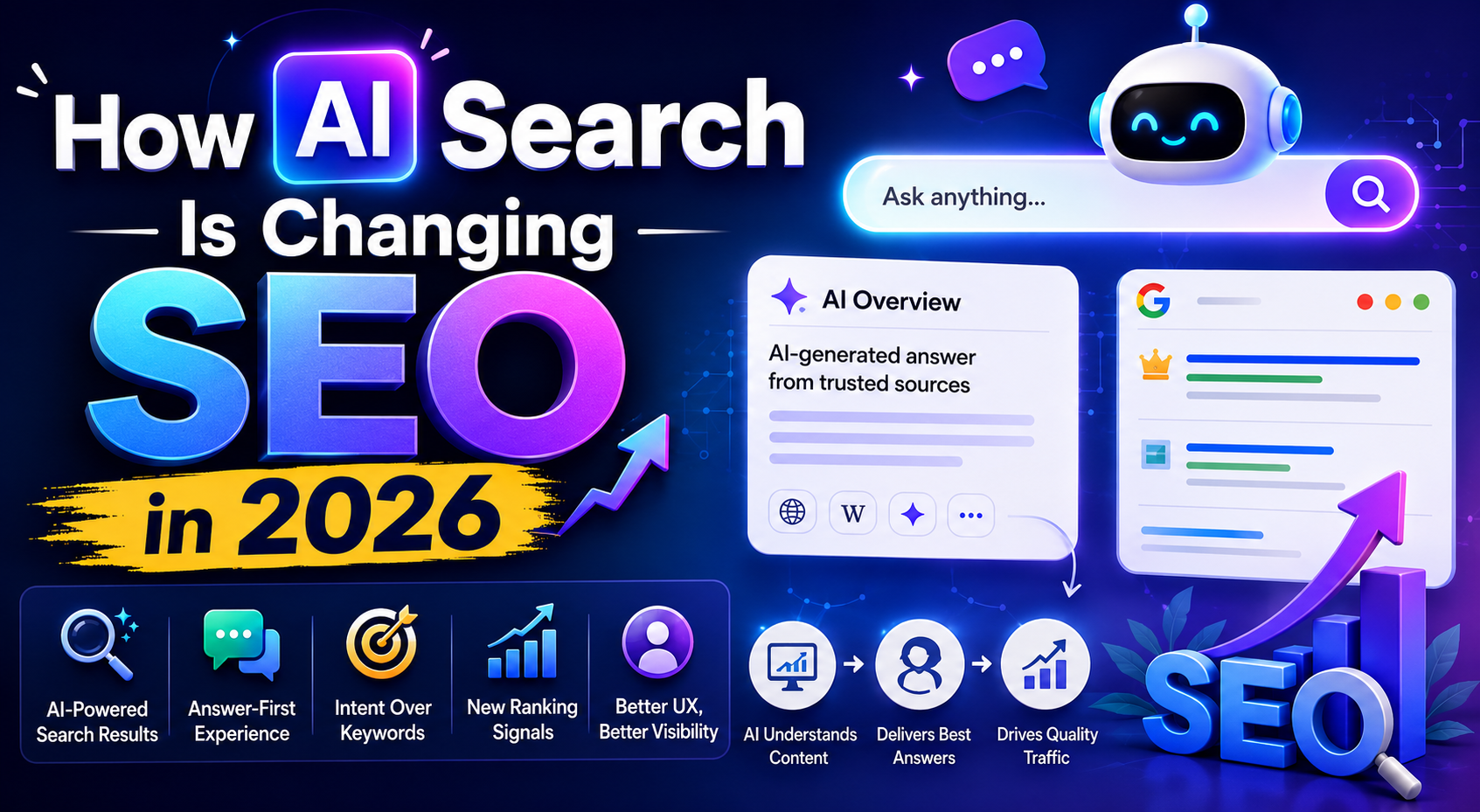
AI-powered search works differently. Instead of showing multiple websites, AI tools analyze information from various sources and generate direct answers. This means users often receive the information they need without clicking through multiple web pages.
As a result, businesses must rethink their SEO strategies. The goal is no longer just to rank high but also to become a trusted source that AI systems reference when generating answers.
Why AI Search Matters in 2026
The way people search online is changing rapidly.
Users now ask detailed questions such as:
- What is the best SEO strategy for small businesses in 2026?
- How can I improve my website visibility in AI search results?
- Which digital marketing trends are growing this year?
Instead of typing short keywords, users engage in natural conversations with AI tools.
This shift creates new opportunities and challenges for businesses:
Opportunities
- Increased visibility through AI-generated answers
- Better targeting of user intent
- More qualified website traffic
- Improved authority and trust
Challenges
- Fewer clicks from traditional search results
- Greater competition for AI citations
- Increased focus on content quality and expertise
- Need for structured and trustworthy information
Businesses that adapt early can gain a significant competitive advantage.
Key Ways AI Search Is Changing SEO
1. User Intent Matters More Than Keywords
For years, SEO focused heavily on keyword optimization. While keywords remain important, AI systems now prioritize understanding the meaning behind a query.
Instead of matching exact keywords, AI analyzes:
- User intent
- Context
- Search history
- Conversational patterns
For example, a user searching for “best SEO agency for local businesses” is looking for recommendations and solutions rather than a definition of SEO.
Content that addresses real user needs performs better in AI-driven search environments.
2. High-Quality Content Becomes the Main Ranking Factor
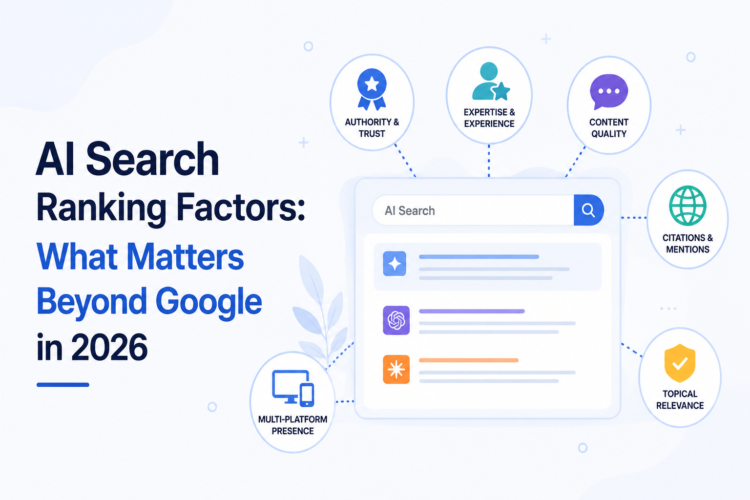
AI search systems prioritize content that demonstrates:
- Expertise
- Experience
- Authority
- Trustworthiness
Thin, keyword-stuffed content is becoming less effective.
Successful websites now focus on creating:
- Comprehensive guides
- Original research
- Industry insights
- Case studies
- Expert opinions
At Digital Verse Technologies, we have observed that detailed, user-focused content consistently performs better than content created solely for search engines.
3. Conversational Content Gains Importance
Since users interact with AI through natural language, content should reflect how people actually ask questions.
Modern SEO content includes:
- Question-based headings
- FAQ sections
- Conversational language
- Direct answers
- Clear explanations
This helps AI systems understand and extract relevant information more effectively.
For example, a heading such as “How Does AI Search Impact SEO?” may perform better than a generic heading focused only on a keyword phrase.
4. Structured Data Plays a Bigger Role
AI systems rely heavily on structured information.
Schema markup helps search engines and AI models understand:
- Products
- Services
- Reviews
- FAQs
- Organizations
- Articles
Websites that implement structured data correctly make it easier for AI tools to interpret and trust their content.
In 2026, structured data is no longer optional. It has become a critical component of modern SEO strategies.
5. Brand Authority Influences AI Recommendations
AI tools are more likely to reference brands that demonstrate credibility across multiple channels.
Factors that strengthen brand authority include:
- High-quality backlinks
- Consistent online presence
- Positive reviews
- Industry recognition
- Expert content
Building authority has become one of the most important SEO investments.
The stronger your reputation online, the more likely AI systems are to view your content as reliable and worthy of inclusion in generated responses.
The Rise of LLM SEO
A new discipline known as LLM SEO (Large Language Model SEO) is emerging.
LLM SEO focuses on optimizing content for AI-powered systems rather than traditional search engines alone.
This involves:
- Creating factually accurate content
- Building topical authority
- Publishing comprehensive resources
- Improving content structure
- Maintaining consistency across platforms
Businesses that embrace LLM SEO today will be better positioned for future search trends.
How Businesses Can Adapt Their SEO Strategy
Focus on Topical Authority
Instead of creating isolated blog posts, build content clusters around core topics.
For example, an SEO agency might create content covering:
- Technical SEO
- Local SEO
- AI SEO
- Content marketing
- Link building
This demonstrates expertise and helps AI systems recognize your authority.
Publish Original Insights
AI systems value unique information.
Consider publishing:
- Industry surveys
- Case studies
- Customer success stories
- Research reports
Original data helps differentiate your content from competitors.
Improve Content Accuracy
Fact-check all published content regularly.
AI search tools prioritize accurate and trustworthy information. Outdated or incorrect content may lose visibility over time.
Optimize for Questions
Create content that answers common customer questions clearly and directly.
Question-focused content aligns naturally with conversational AI search behavior.
Strengthen Your Brand Presence
Maintain consistent branding across:
- Website
- Social media
- Business directories
- Review platforms
A strong digital footprint improves credibility and visibility in AI search results.
The Future of SEO Beyond 2026
SEO is not disappearing. It is evolving.
Traditional ranking signals still matter, but AI search is reshaping how users discover information online.
Businesses that prioritize quality content, authority, user experience, and structured information will continue to thrive.
The future belongs to brands that create genuine value rather than simply chasing search engine algorithms.
Organizations that adapt to AI-powered search today will be better positioned to attract traffic, generate leads, and build long-term online visibility.
Conclusion
AI search is transforming the SEO landscape in 2026. Search is becoming more conversational, personalized, and focused on delivering direct answers rather than lists of links.
To succeed in this new environment, businesses must move beyond traditional keyword-focused strategies and invest in high-quality content, topical authority, structured data, and brand credibility.
At Digital Verse Technologies, we believe that the future of SEO lies in understanding both human users and AI systems. Businesses that embrace this shift early will gain a lasting competitive advantage in the years ahead.
Frequently Asked Questions (FAQs)
1. What is AI search?
AI search uses artificial intelligence to understand user queries and generate direct, conversational answers instead of simply displaying a list of website links.
2. How is AI search different from traditional search engines?
Traditional search engines provide ranked search results, while AI search tools generate summarized answers based on information gathered from multiple sources.
3. What is LLM SEO?
LLM SEO refers to optimizing content for Large Language Models such as ChatGPT and Gemini so that they can better understand, reference, and recommend your content.
4. Will traditional SEO still matter in 2026?
Yes. Traditional SEO remains important, but businesses must also optimize for AI-powered search experiences to maximize visibility.
5. How can businesses prepare for AI-driven SEO?
Businesses should focus on creating authoritative content, implementing structured data, building brand credibility, improving content accuracy, and addressing user intent effectively.